This page was translated automatically. The German original is binding. Read the German original

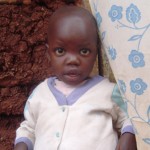
Mary is almost 7 years old and lives in the largest slum in sub-Saharan Africa: Kibera, Nairobi. She was born as a result of her mother being raped; her mother was subsequently forced to drop out of school and abandon her plans for the future after just four years of schooling. All of that might have been bearable, but Mary suffers from a blood disorder: sickle cell anaemia.
Sickle cell anaemia is a form of anaemia caused by a genetic defect, in which increased breakdown of red blood cells is caused by a congenital abnormality in haemoglobin, the red blood pigment. The condition is inherited. Homozygous carriers, such as Mary, show the first signs of the condition as early as infancy. This leads to episodes of pain caused by blockages in the blood vessels of various organs and the resulting oxygen deprivation, which in turn leads to tissue damage. The course of the disease is characterised by episodic, acute anaemic crises and vascular occlusions, as well as by recurrent temporary cessation of haematopoiesis and increased susceptibility to infection. Infections and oxygen deprivation can trigger such crises.
Vascular blockages can lead to tissue damage (infarction) and consequent functional impairment in various organs. Infarcts may occur, for example, in the brain, lungs and heart.
How is sickle cell disease treated?
The only treatment that can lead to a definitive cure is a bone marrow transplant. This is carried out in patients with a very severe form of the disease.
Otherwise, treatment is symptomatic:
* Administration of painkillers and ample fluid intake to prevent subsequent kidney damage caused by haemoglobin present in the blood,
which can lead to blockage of the small renal tubules (acute kidney failure).
* In cases of severe anaemia: blood transfusions.
* Due to the increased susceptibility to infection, those affected should be vaccinated against pneumococci and Haemophilus (bacteria that can cause pneumonia, amongst other things). This is also linked to the destruction of spleen tissue caused by vascular occlusions.

The loss of spleen function also results in a weakened immune system. Due to recurring painful flare-ups of the illness and the associated necessary treatment, the condition places an immense strain on the family’s already tight household budget. A financial donation could be of immense help to little Mary and, by extension, her family: modern treatment options could be explored and better medication prescribed.
During her hospital stay, a serious infection was treated with antibiotics, anaemia – which had almost led to heart failure – was improved through blood transfusions, and effective pain management was provided.
Mary would like to thank all the donors!