This page was translated automatically. The German original is binding. Read the German original
In total, we were able to help 104 children in 2025. The focus this year was on Madagascar:
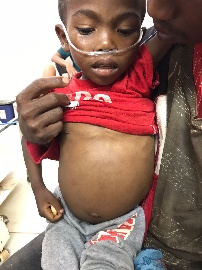
- A four-year-old boy successfully underwent surgery to remove a kidney tumour.
- Two babies who had been abandoned and were in a very poor condition were successfully nursed back to health.
- Two children were treated for irregular heartbeats.
- Two children were treated for severe seizures.
- For 20 boys, we ensured that circumcision was carried out hygienically and painlessly, thereby preventing infections.
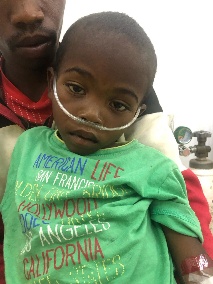
- 12 babies with respiratory infections were helped with oxygen therapy.
- Seven babies were able to undergo a CT scan.
- We provided 26 premature babies with the necessary treatment in the intensive care unit.
- Three babies with suspected jaundice and a further two with widespread areas of inflammation were successfully treated.
- 15 children with severe breathing difficulties and suspected tuberculosis were X-rayed and subsequently treated.
- Twelve children with elevated bilirubin levels were treated with phototherapy, thereby preventing the risk of permanent brain damage.
As figures are often not particularly meaningful on their own, we would like to use three examples to show just how much these relief efforts can save or change lives, and how grateful we are for the donations received, without which we would not have been able to provide this support last year:
Four-and-a-half-year-old Fandresena, from a remote village, had a small swelling on the left side of his abdomen, which, however, grew rapidly, became firm and was occasionally painful. Tests confirmed the diagnosis of a Wilms’ tumour, a rare form of kidney cancer in children. Given the complexity of his condition, Fandresena was admitted to the paediatric ward of a hospital to receive treatment and be closely monitored. The road ahead will be challenging, but there is a good chance that he will come through the further treatment (surgery and chemotherapy) well.
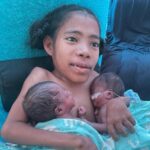
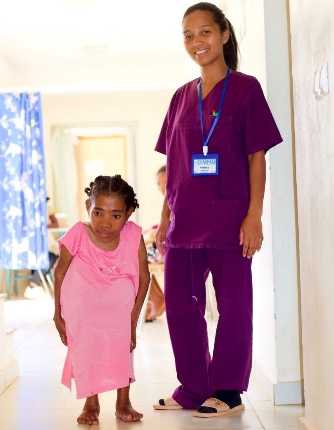
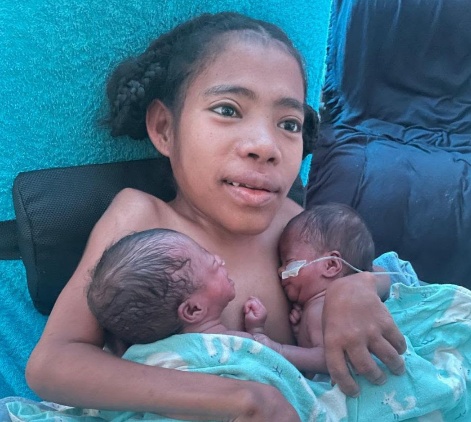
A pregnant woman, just 93 cm tall, was expecting twins. As the pregnancy was proving very challenging for both the mother and the babies, a premature caesarean section was performed. The anaesthesia posed a particular problem, as her spine appeared abnormal, making spinal anaesthesia risky, whilst general anaesthesia could have harmed the babies. Both girls were born healthy and were cared for in incubators at the hospital for six weeks until they had gained a stable amount of weight.
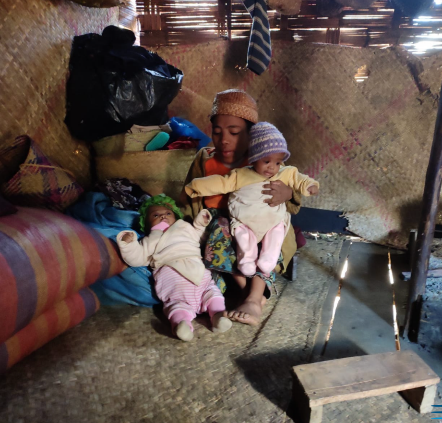
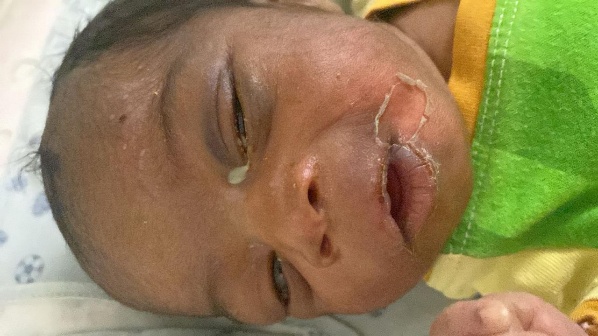
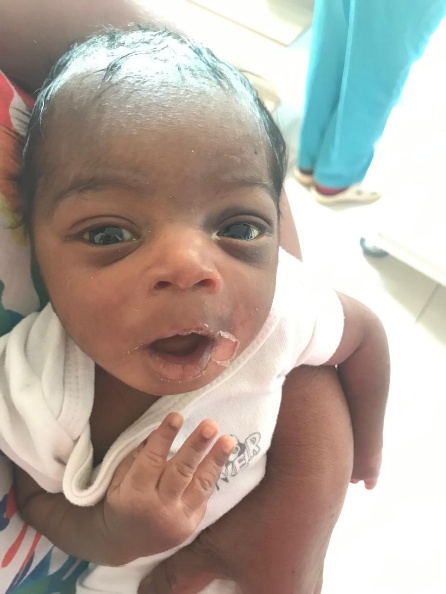
Nomena is a newborn who was found abandoned in the bush, lying alone amongst bamboo trees. The people who found the boy took him to an orphanage, which then transferred him to hospital for care. Two swollen areas on his head, a black eye, a haematoma above his navel and abrasions in several places suggested possible physical abuse and a very difficult start to life. He was closely monitored in the neonatal unit, stabilised and given support with feeding. Together with the staff at the orphanage, the hospital staff were committed not only to helping him physically, but also to giving him love and care and showing him that his life matters.